Personal Finance Basics
Personal Finance 101: The Essential Money Habits Every Working Professional Needs
You worked hard to land your job. You’re earning a steady paycheck. But if you’re like most working professionals, no one ever sat you down and taught you what to actually do with that money. The good news? It’s not too late — and it’s not as complicated as it sounds.
This guide breaks down the fundamental personal finance habits that every working professional should have in place — whether you’re just starting out or looking to get a better handle on your finances.
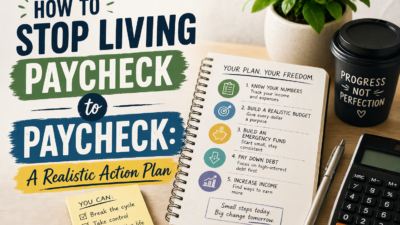
1. Know Your Numbers: Income vs. Expenses
The foundation of all personal finance is knowing exactly how much money comes in and how much goes out each month. Sounds simple — yet most people have no idea.
Start by tracking:
- Your take-home pay (after taxes and deductions)
- Fixed expenses: rent/mortgage, car payment, insurance, subscriptions
- Variable expenses: groceries, dining, entertainment, shopping
Use a free app like Mint, YNAB, or even a simple spreadsheet. The goal isn’t perfection — it’s awareness. Once you see where your money is going, you can make smarter decisions.
2. Build an Emergency Fund First
Before you invest, before you pay off extra debt, before you do anything else — build an emergency fund. This is your financial safety net.
The rule of thumb:
- Save 3 to 6 months’ worth of living expenses
- Keep it in a high-yield savings account (not your checking account)
- Only touch it for genuine emergencies: job loss, medical bills, major repairs
For most professionals, that means having $10,000–$25,000 set aside. If that feels overwhelming, start small. Even $1,000 in savings creates a meaningful buffer against life’s surprises.
3. Follow the 50/30/20 Rule
If budgeting feels overwhelming, the 50/30/20 rule is a simple framework that works for most working professionals:
- 50% of your take-home pay goes to Needs (rent, food, utilities, transportation)
- 30% goes to Wants (dining out, travel, hobbies, entertainment)
- 20% goes to Savings & Debt repayment (retirement, emergency fund, loan payoff)
This isn’t a rigid rule — if you live in an expensive city, your “needs” bucket may be higher. Adjust as needed, but always make sure savings gets its slice before spending on wants.
4. Take Full Advantage of Your Employee Benefits
Your job comes with more financial perks than just your salary. Many working professionals leave thousands of dollars on the table every year by not using their benefits fully.
Don’t overlook:
- 401(k) employer match — this is free money. Always contribute at least enough to get the full match
- Health Savings Account (HSA) — if you have a high-deductible health plan, an HSA is one of the best tax-advantaged accounts available
- Flexible Spending Account (FSA) — use pre-tax dollars for medical or childcare expenses
- Employee Stock Purchase Plans (ESPP) — often let you buy company stock at a discount
Review your benefits package every open enrollment period. Your HR department can walk you through options — take that meeting seriously.
5. Start Investing — Even If It’s a Small Amount
One of the biggest personal finance mistakes professionals make is waiting until they “have more money” to start investing. The truth is, time in the market beats timing the market.
Here’s where to start:
- Maximize your 401(k) up to the IRS limit ($23,000 in 2024)
- Open a Roth IRA if you’re eligible — contributions grow tax-free
- Invest in low-cost index funds (like S&P 500 ETFs) to build long-term wealth
- Automate contributions so you invest before you spend
Even $100/month invested consistently from age 30 can grow to over $200,000 by retirement — thanks to compound interest. Start now, not later.
6. Tackle Debt Strategically
Not all debt is created equal. A mortgage or student loan at a low interest rate is very different from credit card debt at 20%+ APR. Your strategy should reflect that.
Two popular debt payoff methods:
- Avalanche Method: Pay off highest-interest debt first. Saves the most money over time.
- Snowball Method: Pay off smallest balance first. Builds momentum and motivation.
Whichever method you choose, the key is to never carry a high-interest balance longer than necessary. And always pay more than the minimum.
The Bottom Line
Personal finance doesn’t have to be complicated. It starts with awareness, is built on habits, and grows through consistency. You don’t need to be a financial expert — you just need to take the first step.
Pick one tip from this list and implement it this week. Then come back and tackle the next one. Before long, you’ll have a financial foundation that gives you freedom — not stress.
Want more tips like this? Explore more Personal Finance Basics articles at YourFinanceWorld.com