Posted April 22, 2026
You’ve probably seen the headlines. Markets are swinging wildly. Economists are throwing around scary words like “contraction” and “recession.” Your 401(k) looks a little rougher than it did a few months ago. And somewhere between your morning coffee and scrolling through the news, you’re wondering: Should I be worried?
Let’s cut through the noise and talk about what’s actually happening — and more importantly, what you should (and shouldn’t) do about it.
What’s Going On With the Economy Right Now?
It started with tariffs.
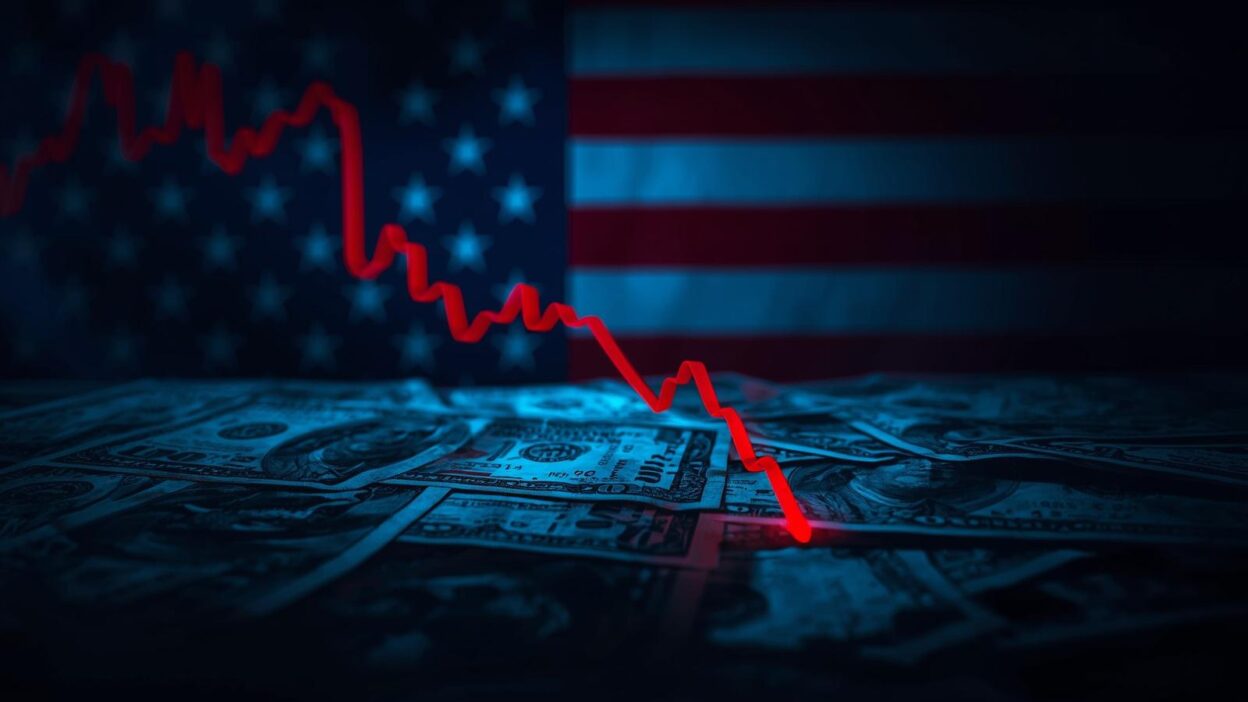
In April 2025, the Trump administration announced sweeping “Liberation Day” tariffs on imports from dozens of countries. The stock market reacted instantly and brutally — over $6.6 trillion in value was wiped out in just two days, making it the largest two-day market loss in history.
Fast forward to today, and the economic hangover is still very real. The U.S. GDP actually shrank by 0.3% in the first quarter — a sharp reversal from the 2.4% growth we saw just a few months before. That’s not a recession yet. But it’s a warning sign that economists aren’t ignoring.
Major institutions like J.P. Morgan have raised their recession probability estimates significantly, and the Federal Reserve itself is divided on what to do next. Some policymakers want to cut interest rates to stimulate the economy. Others are worried that cutting too soon will reignite inflation.
In short: nobody is sure what happens next — and that uncertainty itself is part of the problem.
What Is a Recession, Actually?
Before you panic, let’s get clear on what a recession actually means.
A recession is generally defined as two consecutive quarters of negative GDP growth — meaning the economy is shrinking, not growing. It’s typically accompanied by rising unemployment, falling consumer spending, and a declining stock market.
We are not officially in a recession right now. One quarter of negative GDP growth doesn’t get you there. But the conditions that can lead to a recession — slowing consumer confidence, reduced business investment, and high borrowing costs — are all present to some degree.
Think of it like this: we’re not sick yet, but we’ve been out in the rain without a jacket for a while.
How Does This Affect Your Everyday Life?
Here’s where it gets personal. A recession — or even the fear of one — touches your life in ways that go beyond the stock market.
Your job. When businesses get nervous, they slow down hiring and sometimes cut staff. If you’re in an industry that’s sensitive to consumer spending (retail, hospitality, real estate, construction), it’s worth paying attention.
Your debt. Interest rates are still elevated. Credit card debt, car loans, and variable-rate mortgages are all more expensive than they were two years ago. The Fed may cut rates later this year, but don’t count on dramatic relief anytime soon.
Your groceries and everyday expenses. Tariffs aren’t just a Wall Street story. When the U.S. taxes imports, companies often pass those costs on to consumers. Prices on electronics, clothing, and certain foods have already crept up — and may continue to do so.
Your 401(k) and investments. If you’ve checked your retirement account lately and felt your stomach drop, you’re not alone. The S&P 500 has been volatile. But here’s the thing — short-term drops are normal, and historically, the market has recovered from every single recession. The worst thing most people do in a downturn is panic-sell.
So… Should You Be Worried?
Cautious? Yes. Panicked? No.
Here’s the honest truth: recessions are a normal part of the economic cycle. They’re uncomfortable, and they can cause real hardship for people — especially those with job insecurity or a lot of debt. But they are not permanent, and they are not the end of the world.
What matters most right now is your personal financial resilience, not whether the economy technically enters a recession or not.
5 Smart Money Moves to Make Right Now
Regardless of what the economy does in the next 6 months, these steps will put you in a stronger position:
Build or top up your emergency fund.
The classic advice is 3–6 months of living expenses in a liquid savings account. If you’re not there, make it a priority. High-yield savings accounts are still paying decent rates — use them.Pay down high-interest debt.
Credit card debt at 20%+ interest is a guaranteed loss. In an uncertain economy, reducing your debt load gives you more breathing room.Don’t touch your investments out of fear.
Unless you need the money in the next 1–2 years, leave your retirement accounts alone. Selling during a downturn locks in your losses and means you miss the recovery. Time in the market beats timing the market — always.Look for ways to increase your income.
A recession is a good reminder not to rely on a single income source. Whether that’s a side hustle, freelance work, or developing a new skill — having options matters.Review your budget, but don’t cut everything.
Be intentional. Know where your money is going. If you’re spending on things that don’t matter to you, trim them. But don’t go into full austerity mode — that’s bad for your mental health and the economy.
The Bottom Line
The economy is sending mixed signals right now, and anyone who tells you they know exactly what’s going to happen next is overconfident. What we do know is that uncertainty is high, tariff impacts are real, and it’s a smart time to make sure your own financial house is in order.
You can’t control what the Fed does, what trade negotiations look like, or whether GDP grows or shrinks next quarter. But you can control your savings rate, your debt, and your reaction to scary headlines.
Stay informed. Stay calm. And make sure your money is working as hard as you are.
Was this helpful? Share it with someone who’s been stressing about the economy. And if you have questions about your own financial situation, drop them in the comments below!